
Alberta’s data centre debate has been a debate about electricity. How much generation exists, how quickly the Alberta Electric System Operator can process a connection request, whether a project should bring its own generation, and who pays when a large load arrives on a grid built for a different demand profile. Those are the right questions and the province has real authority over all of them. Rules can be rewritten, queues reordered, approvals accelerated.
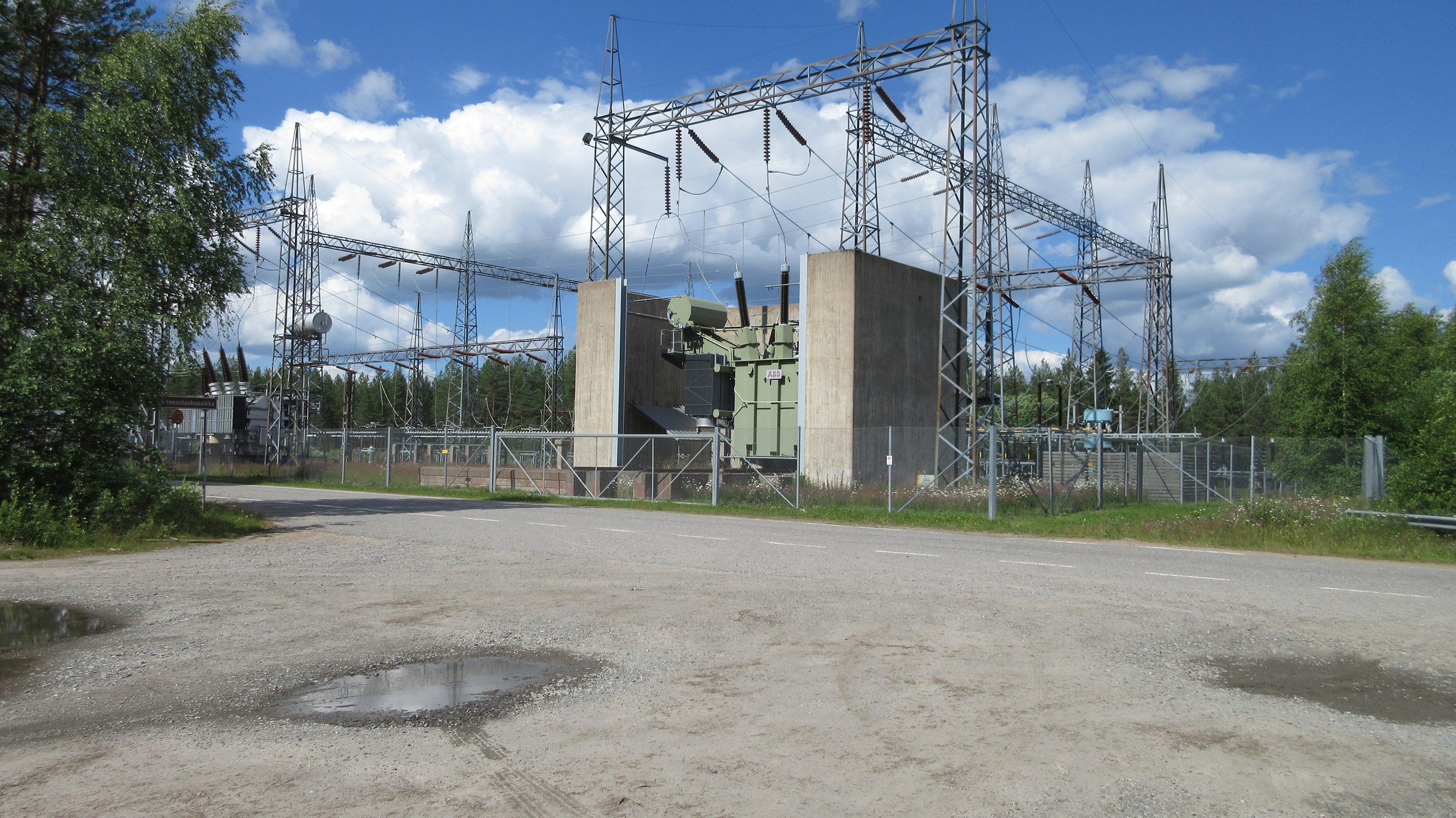
There is a second queue, and Alberta has no authority over it whatsoever. Between an approved megawatt and a rack drawing power sits a chain of physical equipment: generator step up units, power transformers, medium voltage switchgear, circuit breakers, switchboards, busway and the protection systems that tie them together. That equipment is ordered from a small number of global manufacturers into a market that has been oversubscribed since 2021, and no amount of provincial goodwill moves an order up the list.
The numbers are stark enough to be worth stating precisely. Wood Mackenzie put second quarter 2025 lead times at 128 weeks for power transformers, roughly two and a half years, and 144 weeks for generator step up units, closer to three. Medium voltage switchgear was at 44 weeks. Distribution transformers had improved from their worst, though larger units remained above two years. Those are order to delivery figures for equipment that cannot be substituted, cannot be rented and, in the case of a large power transformer, is frequently built to a specification particular to the site.
Pricing has moved with availability. Power transformers are up 77 percent since 2019, generator step up units 45 percent, some classes of distribution transformer as much as 95 percent. Medium voltage switchgear is up 50 percent and circuit breakers 47 percent since 2021. Underneath that, demand for power transformers has grown 119 percent since 2019 against an estimated 30 percent supply shortfall in 2025. This is a market where the supplier sets the terms and the buyer waits.
Manufacturers are responding. Roughly 1.8 billion dollars in North American transformer capacity expansion has been announced. That capacity matters for projects energising in the 2030s and does nothing for one that needs equipment on site in 2027. Building a transformer plant is itself a multi year capital project, and the skilled winding labour it needs is scarce for the same reasons the product is.
Set that against what Alberta has been promising. The province cites 100 billion to 200 billion dollars in potential data centre investment. Meta has committed more than 13 billion dollars to a Sturgeon County campus that could reach 1.8 gigawatts. Wonder Valley proposes 7.5 gigawatts in the Municipal District of Greenview, about two thirds of a typical midday Alberta grid load, on a site the developer describes as a 70 billion dollar programme. Each gigawatt of that is a substantial multiple of the transformer and switchgear content of an ordinary industrial project, and all of it is being specified into the same global queue at the same time as every hyperscaler campus in the United States.
Wonder Valley’s own schedule is the clearest illustration available. Construction was originally to begin in 2026 with a first phase running in 2027. Current reporting puts the hope at construction starting in late 2028. Consultation and environmental objections account for part of that slip and have been well covered. Equipment procurement is the part that gets less attention, and it is the part that does not respond to better community engagement.
The broader North American picture supports the concern. Industry analysis this year has put close to half of planned United States data centre builds as delayed or cancelled, with availability of electrical components, specifically transformers, switchgear and batteries, among the leading causes. If that is roughly right in a market with far deeper domestic manufacturing than Canada has, it is not obvious why Alberta projects would be insulated.
This reframes what Alberta is actually competing on. The province has marketed itself on speed to power: a deregulated market, available generation, a willingness to permit quickly, and a government that wants the investment. All of that is real and all of it addresses the first queue. If the second queue is the binding one, then the marginal value of shaving months off a grid connection approval is small, because the project is waiting on a transformer either way. Being first in a line that is not the constraint is not an advantage.
It also changes who the credible developers are. When equipment is the scarce input, the advantage goes to buyers with existing supplier relationships, standardised designs they order repeatedly, and balance sheets that let them place speculative orders before a project is fully permitted. That describes a hyperscaler precisely. Meta can order transformers against a global programme and allocate them later. A single site developer whose project exists as an announcement cannot place a nine figure equipment order on the strength of a memorandum of understanding, and by the time it can, the slots are taken. The equipment market quietly sorts announced projects into those that will be built and those that will not, and it does so years before anything visible happens on the ground.
There is a provincial policy question buried in this that nobody is asking. Alberta has treated its role as removing obstacles: making power available, making approvals fast, making the regulatory environment attractive. Those are supply side interventions on the input the province controls. If the actual constraint is manufactured equipment, the relevant questions are different ones. Is there a case for Alberta or Canada supporting domestic manufacturing capacity for high voltage equipment, given that the same shortage constrains grid modernisation, transmission upgrades and electrification generally, not just data centres? That is an industrial policy question with a much longer payback than a data centre approval, and it is the kind of question that only looks obvious after a decade of paying for the alternative.
The near term point is more practical. Anyone assessing whether an announced Alberta data centre is real should be asking about equipment procurement, not just about power. Has long lead equipment been ordered, or only specified? Are there delivery slots held, and for when? Is the developer buying into an existing programme or entering the queue cold? Those answers separate a project with a schedule from a project with a press release, and they are rarely in the press release.
Alberta spent two years establishing that it can supply the electricity. That was necessary and it was the answerable question. The next constraint is already visible, it is measured in weeks of lead time rather than megawatts, and it sits entirely outside the province’s control.
Sources
- POWER Magazine: Transformers in 2026, shortage, scramble or self-inflicted crisis
- Build: Data center transformer procurement in 2026, why electrical equipment is now a development constraint
- The Logic: The truth about Wonder Valley, Kevin O’Leary’s data centre dream
- The Logic: Meta to spend $13B on sprawling Alberta data centre complex
- EnergyNow: How Alberta became ground zero for data centre development in Canada
Figures in this article are drawn from the sources above. Spotted an error? Tell us and we will correct it.