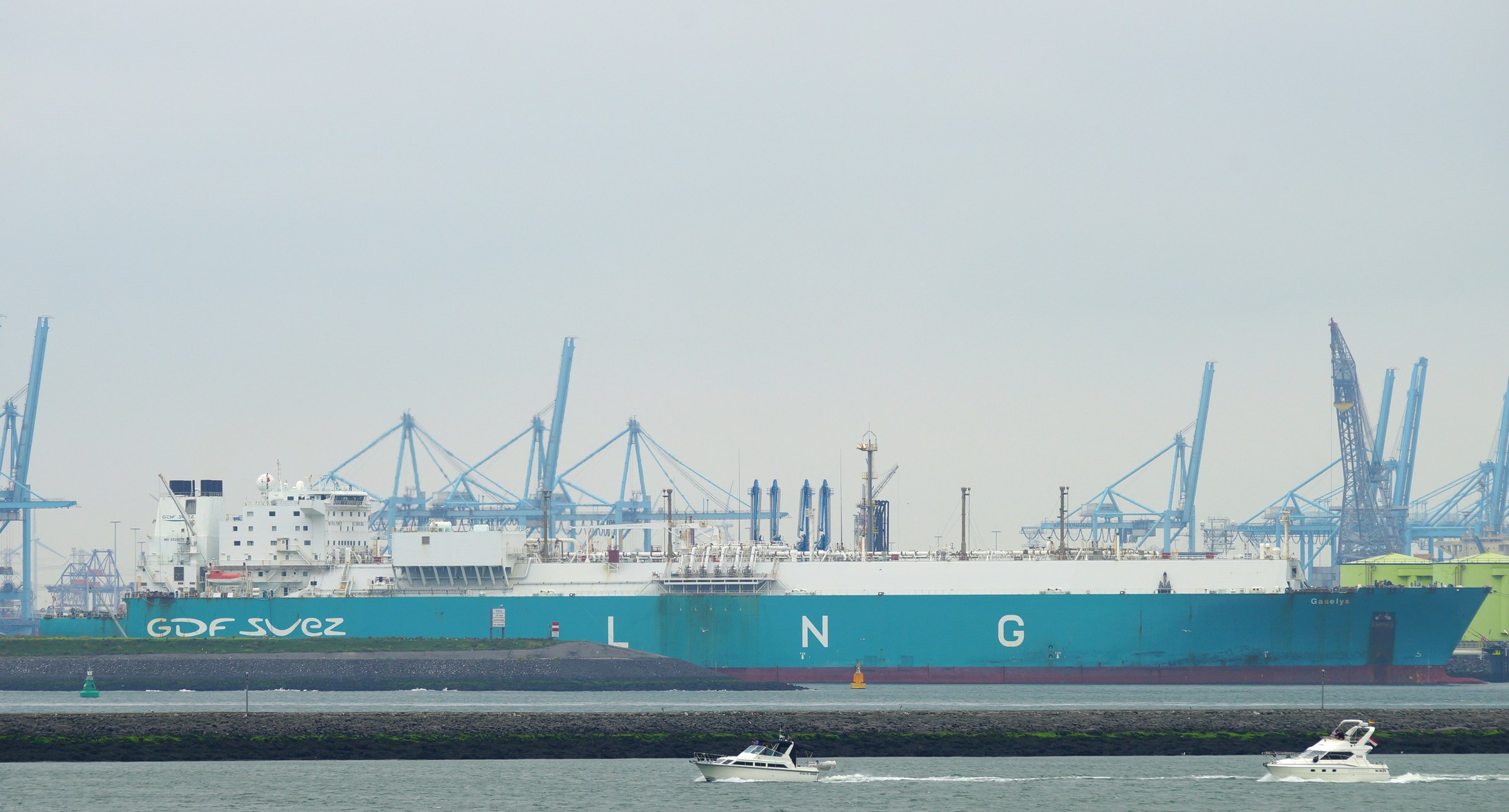
Kino Aski Inc. and Marinvest Energy Canada Inc. announced on 17 August the joint development of Kino Aski LNG, a First Nations-led energy corridor and liquefied natural gas project intended to supply Europe. The proposal would move natural gas from the Western Canadian Sedimentary Basin through existing and new pipeline infrastructure from Alberta to Northern Ontario and onward to the Port of Baie-Comeau, at a capacity of up to fifteen million tonnes a year.
Two things about it are unusual, and the ownership structure is the more significant of the two. Kino Aski Inc., led by the Atikamekw Nation and backed by a coalition of First Nations from Quebec and Ontario, holds the majority interest. Marinvest Energy Canada holds the minority. That is a reversal of the standard Canadian arrangement, in which a proponent develops a project and negotiates Indigenous participation as a component of it, usually as an equity option, a benefits agreement or a contracting preference.
Constant Awashish of Kino Aski Inc. put the distinction directly: the project, he said, represents an opportunity to demonstrate that these communities can be leading economic partners while protecting their lands, their values and their future. He also framed the export case in terms of Canadian reliability, saying Canada has an opportunity to become a trusted long-term energy partner for Europe and that First Nations are not only participating in that future but helping shape it.
The practical significance is about project risk rather than about symbolism. Canadian resource infrastructure fails on consultation and consent more often than on engineering or economics, and the cases that have consumed a decade in litigation and protest have generally involved proponents who treated affected nations as a party to be satisfied rather than as an owner. A project whose controlling shareholder is the coalition whose territory it crosses has a materially different risk profile, because the consent question is answered inside the ownership structure rather than negotiated against it.
The geography is the second unusual feature. Canada's LNG development has been overwhelmingly a West Coast story: LNG Canada at Kitimat, the proposed Ksi Lisims project, and a set of smaller proposals all aimed at Asia across the shortest available Pacific route. Alberta has stated an objective of two to three additional major LNG projects by 2030, and the assumption behind most of them has been westward. Kino Aski proposes to run east instead, to the St. Lawrence, aimed at Europe.
The case for east is stronger now than it has been at any point in the last decade, and the closure of the Strait of Hormuz is the reason. European buyers have spent four years trying to replace Russian pipeline gas and are now watching Middle Eastern supply routing become unreliable as well. What they want is a supplier that is politically stable, contractually reliable and not adjacent to a conflict. That is a description of Canada, and it is worth more in a long-term contract negotiation than a marginal advantage in shipping distance.
The proposal also emphasises low-methane certified gas, which is not a marketing detail in this market. The European Union has methane intensity rules for imported gas, and certification is becoming a condition of access rather than a premium feature. Canadian producers who can document methane performance through measurement rather than estimation are positioned for that requirement, and Alberta's methane regulation has, as a side effect, built exactly that measurement capability across a large part of the sector.
The difficulties are substantial and the announcement does not hide them. The project is in development, no formal regulatory process has begun, environmental assessments are planned rather than underway, and no investment figure has been disclosed. A pipeline from Alberta to Northern Ontario and on to the St. Lawrence would cross an enormous distance and multiple provincial jurisdictions, and Canadian experience with long-distance pipeline approval is not encouraging. Energy East, which proposed something structurally similar, was abandoned in 2017 after years of process.
It is fair to ask what is different this time, and there are two credible answers. The first is the ownership structure, which changes who is arguing for the project in the jurisdictions it crosses. The second is that the market has changed beyond recognition. Energy East was proposed into a world with abundant seaborne supply and a European market comfortable with Russian pipeline gas. Neither of those conditions exists now, and a European buyer signing a twenty-year contract in 2026 is making a different calculation than one in 2014.
The scale deserves scrutiny even so. Fifteen million tonnes a year would make this one of the largest LNG facilities in North America, comparable in order of magnitude to LNG Canada's first phase. Projects of that size require multi-decade offtake agreements signed before construction, and those agreements are what convert a proposal into a project. Nothing in the announcement indicates any have been signed, which is normal at this stage and is also the thing that will determine whether this exists in five years.
For Alberta the relevance is upstream and it is straightforward. Any large LNG facility drawing on the Western Canadian Sedimentary Basin creates durable demand for Alberta gas, supports production, employment and royalties, and gives producers an export path independent of the American market. That last point has acquired new weight this month, with United States trade measures reminding Canadian exporters across several sectors what single-market dependency costs. Provincial approval of the Yellowhead natural gas pipeline points in the same direction: more capacity to move gas out of the basin, whichever coast it eventually reaches.
The honest summary is that this is an announcement rather than a project, and Canadian energy history is full of announcements. What makes it worth attention is not the capacity figure but the structure. If a First Nations-majority-owned corridor can move through Canadian regulatory process faster than a conventionally owned one, that is the most useful thing anyone has learned about building infrastructure in this country in twenty years, and it would apply well beyond LNG. If it cannot, that is worth knowing too, and it would say something uncomfortable about whether the consent problem was ever really the obstacle.
Sources
- BOE Report: First Nations lead Kino Aski LNG
- Government of Alberta: natural gas vision and strategy
- Norton Rose Fulbright: Canadian LNG industry 2026 outlook
- Natural Gas Intelligence: Alberta approves Yellowhead natural gas pipeline
Figures in this article are drawn from the sources above. Spotted an error? Tell us and we will correct it.